


We looked into Semaglutide on the basis of its ingredients, customer reviews, and more. Does Semaglutide really work? Read the Semaglutide review here!
Overview
Semaglutide is a medication that is used to treat type 2 diabetes. It belongs to a class of drugs called glucagon-like peptide-1 receptor agonists (GLP-1 RAs). Semaglutide helps to control blood sugar levels by mimicking the action of a hormone called glucagon-like peptide-1 (GLP-1) in the body. It is available in the form of an injectable solution.
What is Semaglutide?
Semaglutide is a prescription medication that is used in the management of type 2 diabetes. It is a synthetic form of the GLP-1 hormone, which is naturally produced in the body. GLP-1 helps to regulate blood sugar levels by stimulating the release of insulin and reducing the production of glucagon. Semaglutide works by activating the GLP-1 receptors in the pancreas, which leads to increased insulin secretion and decreased glucagon release.
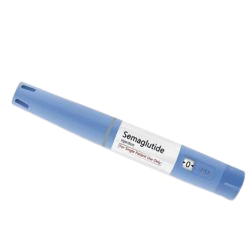
Semaglutide
How does Semaglutide work?
Semaglutide works by binding to and activating the GLP-1 receptors in the pancreas. This stimulates the release of insulin from the beta cells of the pancreas in response to elevated blood sugar levels. Insulin helps to lower blood sugar by facilitating the uptake of glucose from the bloodstream into the cells of the body, where it can be used for energy.
In addition to its effect on insulin secretion, semaglutide also reduces the production of glucagon from the alpha cells of the pancreas. Glucagon is a hormone that promotes the release of stored glucose from the liver, raising blood sugar levels. By inhibiting glucagon release, semaglutide helps to lower blood sugar and prevent excessive glucose production.
Advertisement
*All individuals are unique. Your results can and will vary.
Semaglutide also slows down the emptying of the stomach and reduces food intake, which can lead to weight loss in individuals with type 2 diabetes. It promotes a feeling of fullness, reduces appetite, and helps control cravings, which can be beneficial for overweight or obese individuals with diabetes.
Ingredients
- Semaglutide
Semaglutide is the active pharmaceutical ingredient (API) in the medication. It is a synthetic form of the hormone GLP-1 (glucagon-like peptide-1), which is naturally produced in the intestines. Semaglutide acts as a GLP-1 receptor agonist, binding to and activating the GLP-1 receptors in the body.[1] - Water
Water is an essential component of the injectable solution. It serves as a solvent, providing a medium for the semaglutide and other ingredients to dissolve and form a uniform solution. Water is carefully purified to meet pharmaceutical standards to ensure the safety and efficacy of the medication.[2] - Buffers
Buffers are included in the formulation to maintain the desired pH level of the solution. This helps to ensure the stability and integrity of semaglutide during storage and administration. Buffers help maintain the optimal conditions for semaglutide to remain effective and safe for use.[3] - Preservatives
Preservatives are added to the medication to prevent the growth of microorganisms and maintain the sterility of the solution. They play a crucial role in preventing contamination during the shelf life of the medication, ensuring its safety for use. The choice of preservatives is carefully made to ensure compatibility with the other ingredients and minimize the risk of adverse reactions.[4]
Pros and Cons Of Semaglutide
Pros
- Effectively lowers blood sugar levels in individuals with type 2 diabetes.
- Stimulates insulin release and reduces glucagon production.
- Promotes weight loss and helps control appetite.
- Once-weekly dosing option available, providing convenience for patients.
Cons
- Requires subcutaneous injection, which may not be suitable for individuals with a fear of needles.
- Possible side effects include nausea, vomiting, diarrhea, and abdominal pain.
- May increase the risk of pancreatitis or thyroid tumors in some individuals.
- Can be expensive, especially for individuals without insurance coverage.
Customer Review
My blood sugar levels have stabilized, and I have experienced noticeable weight loss. The once-weekly injection is convenient, and I haven’t experienced any major side effects.
~ Peter
Since I started using Semaglutide, my blood sugar has been consistently within the target range. The added benefit of weight loss has been an incredible bonus.
~ Zarc
FAQ’s
Q: How often should I take Semaglutide?
A: The dosing frequency of Semaglutide may vary depending on the specific product and your healthcare provider’s instructions. There are both once-daily and once-weekly formulations available. It is important to follow your healthcare provider’s prescribed dosing schedule.
Q: What are the common side effects of Semaglutide?
A: Common side effects of Semaglutide may include nausea, vomiting, diarrhea, and abdominal pain. These side effects are usually mild and improve over time. However, if you experience persistent or severe side effects, it is important to consult your healthcare provider.
Q: Is Semaglutide suitable for people with type 1 diabetes?
A: No, Semaglutide is not approved for the treatment of type 1 diabetes. It is specifically indicated for the management of type 2 diabetes. Type 1 diabetes requires insulin replacement therapy.
Q: Can Semaglutide be used during pregnancy?
A: Semaglutide is not recommended for use during pregnancy. If you are pregnant or planning to become pregnant, it is important to discuss with your healthcare provider for appropriate management of your diabetes during this period.
Conclusion
Semaglutide is an effective medication for the management of type 2 diabetes. By mimicking the action of the GLP-1 hormone, it helps to control blood sugar levels, stimulate insulin release, reduce glucagon production, and promote weight loss. While it has its pros in terms of its efficacy and convenience, it is essential to be aware of the potential side effects and discuss any concerns with your healthcare provider.
Advertisement
*All individuals are unique. Your results can and will vary.
4 Sources
[2] Water - https://www.ncbi.nlm.nih.gov/pmc/articles/PMC2908954/
[3] Buffers - https://www.ncbi.nlm.nih.gov/pmc/articles/PMC8956001/
[4] Preservatives - https://www.ncbi.nlm.nih.gov/pmc/articles/PMC9525789/













Editor Rating
Write a Review
Hints on how to write a helpful review
A great review should have the following qualities:
We have high level of professional editorial section with zero tolerance policy on fake reviews.
To maintain the genuineness of our brand, we ensure all customer reviews submitted to us are verified and confirmed before publishing. Though we might not be a 100% accurate, however, we try our best to ensure being next to best. For a thorough verification of submitted reviews, we spend close to 7 working days before allowing any customer review to be published since we also work on the earliest submissions first.